
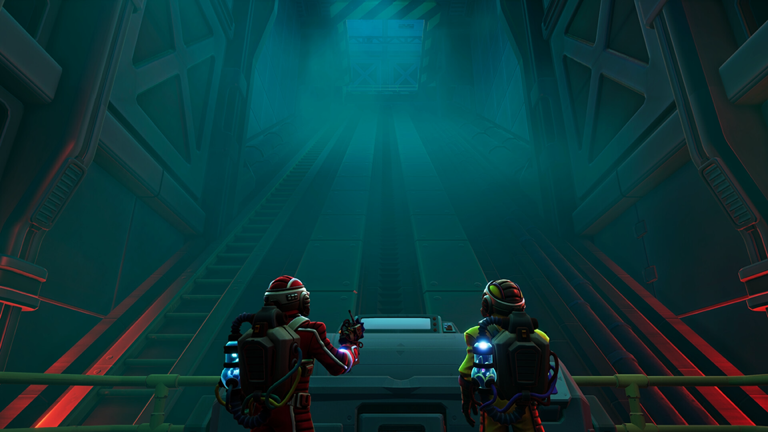
Understanding the Role of Communication in Co-Op Puzzles
Cooperative puzzle games thrive on how well partners exchange information. When diving into the latest installment of Total Mayhem Games’ iconic franchise, utilizing the built-in communication systems changes everything. Relying on We Were Here Tomorrow proximity voice chat elements and walkie-talkie mechanics forces players to depend entirely on verbal descriptions. Without the safety net of looking at each other’s monitors, you must articulate abstract shapes, hidden clues, and cryptic sounds accurately.
For cooperative enthusiasts, mastering this style of interaction elevates the entire experience. Instead of treating audio as a mere background utility, the game turns your voice into your primary tool for survival. Whether you are guiding a partner through shifting architecture or decoding complex symbols, your success depends on patience, active listening, and clear phrasing.
| Feature Aspect | Impact on Gameplay | Recommended Approach |
|---|---|---|
| Walkie-Talkie Use | Limits simultaneous talking; mimics real-life radio constraints. | Take turns speaking; listen fully before responding. |
| Visual Separation | Prevents screen-peeking, preserving puzzle tension. | Play in separate rooms or wear isolated headsets. |
| Audio Mechanics | Drives the core progression of every level. | Describe details methodically without rushing. |
How the Walkie-Talkie and Voice Mechanics Work
The core formula of the series revolves around asymmetrical information. One player sees a clue, while the other holds the mechanism to solve it. To bridge this gap, the developers implemented an in-universe radio system. When utilizing We Were Here Tomorrow proximity voice chat features, keep in mind that the system simulates realistic radio transmission rules.
If both participants attempt to speak simultaneously, the signals cancel each other out, mimicking real walkie-talkies. This design choice forces teams to slow down, adopt disciplined turn-taking, and pay close attention to auditory cues.
| Communication Rule | Description | Why It Matters |
|---|---|---|
| Half-Duplex Audio | Only one person can transmit audio clearly at a time. | Prevents audio clipping and confusing cross-talk. |
| Descriptive Shorthand | Inventing quick labels for complex visual assets. | Speeds up puzzle solving under timed conditions. |
| Environmental Listening | Paying attention to background noises and sound cues. | Crucial for audio-matching puzzle sequences. |
Troubleshooting Common Audio and Voice Chat Issues
While the vision behind the native VOIP system is immersive, technical hiccups can sometimes disrupt the flow. Community reports and player experience feedback highlight that audio features occasionally encounter bugs, desyncs, or sudden dropouts during intense puzzle sessions.
If you and your partner find yourselves struggling with silent radios or disconnected voice servers, several structured troubleshooting steps can restore your in-game communication.
| Troubleshooting Step | Action to Take | Objective |
|---|---|---|
| Default Audio Device | Set the correct microphone as default in Windows settings. | Prevents the game from routing audio through inactive inputs. |
| Disconnect Extra USBs | Unplug unnecessary controllers, webcams, or extra USB mics. | Eliminates hardware conflicts affecting audio input. |
| Direct Steam Invites | Use “invite a friend” rather than “create a room.” | Stabilizes session handshakes and peer connections. |
| Check Regional Restrictions | Note regional voice server limitations or router port blocks. | Identifies external network interference with VOIP. |
For official technical walkthroughs and network configurations, players can consult the Total Mayhem Games Support Center.
Native VOIP vs. Third-Party Apps: Choosing Your Experience
A persistent debate within the community involves whether to use the authentic in-game radio mechanics or switch to external platforms like Discord. While third-party apps offer crystal-clear, open-mic communication, they fundamentally alter the intended game balance.
As developers have noted in past post-mortems for the series, removing the radio restriction transforms the atmosphere. Utilizing the native system adds a layer of delightful panic, whereas external VOIP makes sharing information effortless.
| Feature Comparison | Native Walkie-Talkies | Third-Party Voice Apps (e.g., Discord) |
|---|---|---|
| Immersion Level | Maximum (In-universe radio restrictions apply) | Low (Always-on, open channel) |
| Challenge Factor | High (Requires turn-taking and precise descriptions) | Moderate (Easier to talk over each other) |
| Stability | Prone to occasional server or mic handshake bugs | Highly stable and reliable |
| Intended Design | The gold standard envisioned by developers | A convenient backup for technical issues |
Player Experiences and Community Feedback
The co-op community has shared mixed yet passionate feedback regarding technical polish and puzzle design. While many players praise the artistic direction and creative environments, others point out that bugs related to voice chat can occasionally sour the opening hours.
Player experience logs indicate that when the audio functions smoothly, the cooperative synergy shines brightly. However, persistent mic dropouts often drive frustrated duos to alternative chat platforms out of sheer convenience.
| Review Category | Common Player Sentiment | Suggested Community Workaround |
|---|---|---|
| Audio Reliability | Mics occasionally cut out mid-session or fail to initialize. | Restart the application or switch to backup comms. |
| Puzzle Design | A mix of brilliant visual set pieces and occasional confusing hints. | Take notes externally to track complex room layouts. |
| Atmosphere | Visually striking, though some gravity mechanics cause motion sickness. | Take short breaks during intense spatial puzzle chapters. |
Frequently Asked Questions
What should I do if my We Were Here Tomorrow proximity voice chat stops working?
First, verify that your default microphone is correctly selected in both your operating system and the game’s audio settings. If the issue persists, try restarting the session, disabling secondary input devices, or sending a direct invite through your platform’s friends list rather than using custom rooms.
Can I play the game using Discord instead of the in-game walkie-talkies?
Yes, many players choose to use third-party applications like Discord for uninterrupted communication. However, keep in mind that removing the radio’s half-duplex restriction changes the intended puzzle challenge and atmosphere crafted by the developers.
Why can’t my partner hear me when we both speak at the same time?
The in-game radio system mimics real walkie-talkies, operating on a half-duplex channel. This means only one person can transmit voice data clearly at any given moment, preventing simultaneous cross-talk.
Are there regional restrictions affecting the voice servers?
Certain regions enforce strict regulations on VOIP servers. If you encounter connection warnings regarding voice servers, you can bypass the prompt to continue playing, though you may need to rely on external chat apps for seamless communication.