When cooperative puzzle fans discuss the latest entries in Total Mayhem Games’ iconic franchise, the conversation inevitably turns toward We Were Here Tomorrow switch 2 compatibility and platform availability. If you are tracking the trajectory of the series or trying to find out where the newest installments land, understanding your hardware options is essential for a seamless gameplay session. The We Were Here Tomorrow switch 2 ecosystem discussion highlights how indie developers are navigating platform transitions while keeping cooperative communication at the forefront of their design.
The Evolution of Total Mayhem Games and the Franchise
Total Mayhem Games has carved out a massive niche in the puzzle-adventure genre by focusing entirely on cooperative experiences. From the early days of the original student project set in Castle Rock to expansive commercial sequels, the franchise relies on asymmetrical roles and walkie-talkie communication.
| Game Title | Original Release Year | Primary Setting / Facility | Core Premise |
|---|---|---|---|
| We Were Here | 2017 | Castle Rock (Antarctic) | Stranded explorers split up in an ancient castle |
| We Were Here Too | 2018 | Castle Rock (Fortress) | A rescue attempt gone wrong during a storm |
| We Were Here Together | 2019 | Antarctic Outdoors & Base Camp | Ice caves, base camps, and deeper mysteries |
| We Were Here Forever | 2022 | Castle Rock Depths | Escaping the eternal dark realms |
| We Were Here Tomorrow | 2026 | Norček Industries Facility | Modern sci-fi corporate mystery and advanced tools |
As the series has evolved from medieval-style fortresses to high-tech industrial installations like Norček Industries in We Were Here Tomorrow, the technical demands on hardware have shifted. Players looking into modern console transitions often check official hubs like Steam to track technical specifications and cross-play capabilities.
Platform Availability and Backward Compatibility
While earlier titles in the franchise made their way to Nintendo Switch platforms, newer, high-fidelity entries require careful consideration of hardware performance. The series has historically expanded across PC, PlayStation, Xbox, and Nintendo hardware through targeted console ports and backward compatibility layers.
| Platform | Supported Series Titles | Performance & Features |
|---|---|---|
| PC (Steam/Epic) | Entire Catalog (We Were Here to Tomorrow) | Maximum graphical fidelity, high frame rates, VoIP integration |
| Xbox Series X|S | We Were Here through Tomorrow | Next-gen enhancements, fast loading times, full cross-play |
| PlayStation 5 | Selected titles & We Were Here Tomorrow | DualSense haptic feedback support, high-resolution textures |
| Nintendo Switch / Switch 2 | First three titles & Backward Compatibility | Portable co-op gaming, local/online communication requirements |
Community reports indicate that while older entries enjoy smooth performance via hardware iterations, players anticipating dedicated native releases for brand-new platforms must look closely at developer announcements regarding modern engine requirements.
Core Gameplay Loop: Communication is Key
No matter which platform you choose, the foundational pillar of the We Were Here franchise remains identical: verbal communication is your only lifeline. You and your partner are separated into different rooms, environments, or even entirely distinct facilities, unable to see each other’s screens.
| Feature Element | Player One Role | Player Two Role |
|---|---|---|
| Visual Input | Observes symbols, colors, and mechanisms | Receives instructions and operates terminal controls |
| Primary Tool | Walkie-talkie / Audio transceiver | Walkie-talkie / Audio transceiver |
| Puzzle Type | Asymmetrical logic mapping | Spatial navigation and timing tasks |
According to player experience feedback, maintaining a clear microphone connection and practicing active listening are far more important than raw gaming reflexes. A breakdown in communication inevitably leads to hilarious misunderstandings or puzzling doom.
What to Expect From We Were Here Tomorrow
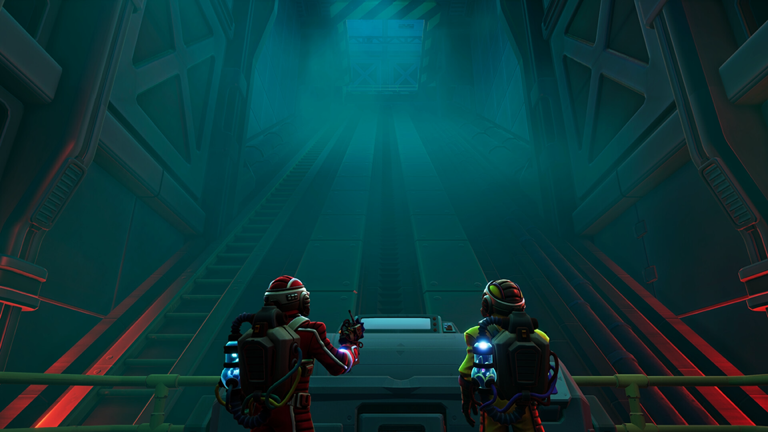
Moving away from the cursed stone walls of Castle Rock, We Were Here Tomorrow introduces players to the corporate-run Norček Industries facility. This shift brings entirely new mechanical puzzles, advanced tools to master, and a fresh narrative layer.
| Aspect | Classic Castle Rock Era | Norček Industries (Tomorrow) |
|---|---|---|
| Aesthetic | Medieval, gothic, cold, stone-crafted | Industrial, corporate, sterile, high-tech |
| Equipment | Magic daggers, soul stones, astrolabes | Modern communication devices, industrial machinery |
| Tone | Dark fantasy and demonic curses | Corporate espionage, sci-fi mystery, hidden agendas |
Fans diving into this new chapter will find that while the environment feels drastically different, the core DNA of testing friendships through intense puzzle design remains entirely intact.
Frequently Asked Questions
Can I play We Were Here Tomorrow natively on Nintendo Switch systems?
While earlier entries in the series have found homes on Nintendo platforms, major new-generation releases like We Were Here Tomorrow target high-performance hardware such as PC, PlayStation 5, and Xbox Series X|S. Always check official storefronts for the most up-to-date platform announcements.
Do I need a microphone to play these games?
Yes. Every game in the We Were Here series is strictly cooperative and requires both players to have a working, compatible microphone and an active internet connection to communicate via walkie-talkie.
Are the games cross-platform?
Yes, Total Mayhem Games supports cross-play functionality across various platforms, allowing players on different systems to pair up using in-game codes or platform friend lists.
How many players are required for a session?
The entire franchise is designed strictly for two-player cooperative play. You cannot play solo; you and a partner are required to solve every puzzle together.